Keep your dog indoors for 24 hours after spraying Cutter Backyard Bug Control, which contains lambda-cyhalothrin—a pyrethroid insecticide that causes vomiting, diarrhea, and neurological issues like tremors. Remove toys and water bowls from treated zones beforehand. Wear gloves and a mask during application. After the waiting period, rinse your dog’s paws with mild soap and water before letting them outside. Watch for warning signs over the next 48 hours. The specifics of safer application techniques and alternative pest control methods reveal important details worth understanding.
What Makes Cutter Spray Hazardous to Dogs?
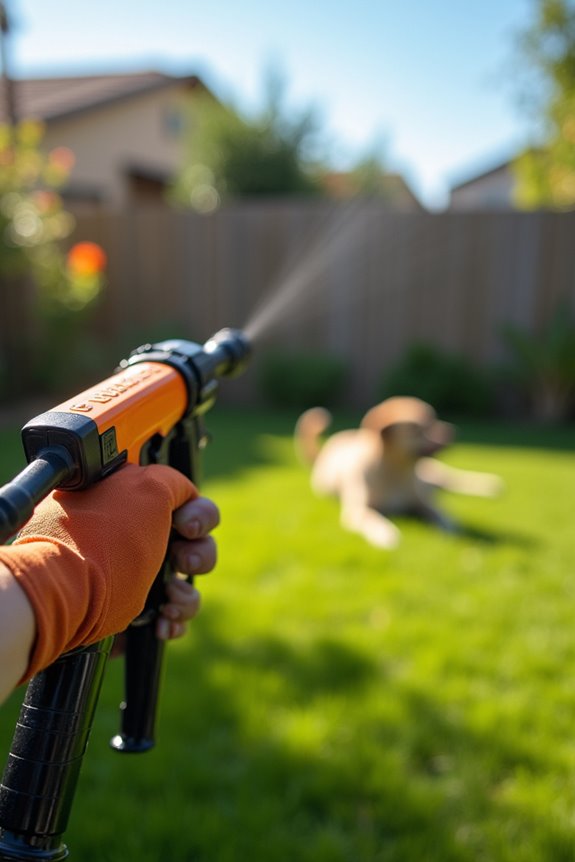
Why should you care about the ingredients in your bug spray? Cutter Backyard Bug Control contains lambda-cyhalothrin, a pyrethroid insecticide that poses real risks to your dog. When your pup encounters wet spray or ingests treated residues, this chemical can trigger vomiting, diarrhea, and neurological problems.
Exposure happens more easily than you’d think. Direct contact with freshly sprayed areas creates the highest danger zone. Your dog’s paws picking up wet residue, or their fur brushing treated plants, brings the chemical straight to their skin and mouth.
Here’s what matters: dogs are generally less sensitive than cats, but that doesn’t mean you’re in the clear. Repeated exposure compounds the risk significantly. That’s why waiting 24 hours before letting your dog roam treated areas isn’t optional—it’s essential protection.
Why You Need to Wait 48 Hours Before Your Dog Goes Out
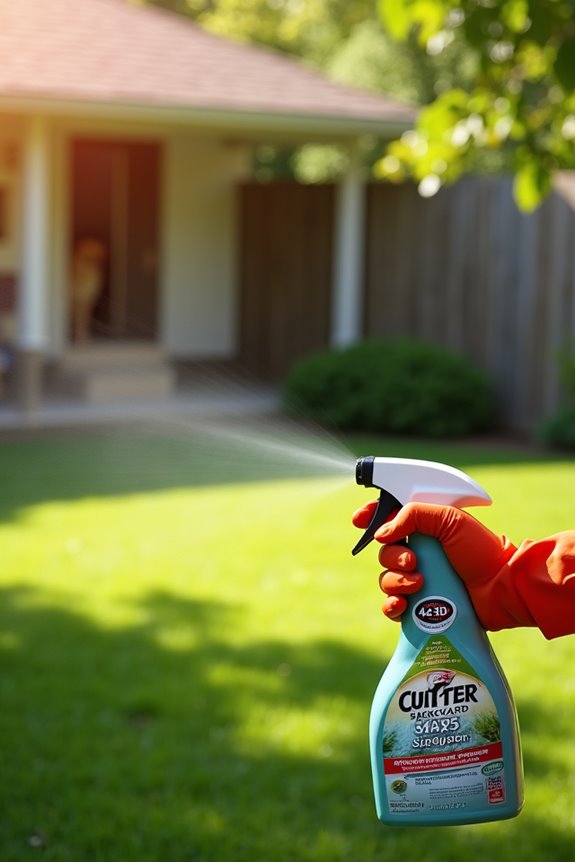
You’ll want to give Cutter spray a full 48 hours to dry completely before your dog sets paw on the treated lawn. During that chemical drying process, the active ingredients are still settling into the grass and soil, making fresh residue a real risk for vomiting, drooling, or tremors if your dog contacts it. That waiting period isn’t just a suggestion—it’s your best defense against preventable exposure and keeps your pet from ingesting or absorbing harmful chemicals through their skin.
Chemical Drying Process
How long should you actually wait before letting your dog back outside after spraying Cutter Backyard Bug Control?
The answer is straightforward: approximately 48 hours. During this drying time, the liquid spray gradually settles and bonds with grass and surfaces. You’re essentially waiting for moisture to evaporate completely, which transforms the wet product into a safer, dried residue.
While the spray dries, your dog faces real risks. Wet chemicals can cause vomiting, diarrhea, or other acute symptoms if ingested. This pet safety concern is why manufacturers emphasize the 48-hour window.
After drying, the product becomes significantly less hazardous through direct contact. However, avoiding repeated exposure to freshly treated areas remains wise for your dog’s long-term wellbeing and your peace of mind.
Pet Toxicity Prevention
What’s really happening during those 48 hours after you spray? The product’s active ingredients are settling into the treated surfaces. Your dog’s skin or paws touching wet spray can cause vomiting, diarrhea, or neurological issues—reactions you’ll want to avoid.
Here’s why keeping pets indoors matters: wet residue poses real risks. During the drying time, your dog might lick contaminated paws or roll across treated grass, ingesting harmful chemicals. Even brief contact with damp surfaces can trigger problems.
Once the area dries completely—around 48 hours—your dog can safely return outside. The dried residue poses minimal ingestion or dermal exposure risk. Monitor your dog afterward anyway. Following this waiting period protects your pet while letting you enjoy a bug-free yard confidently.
Pre-Application Steps to Protect Your Dog
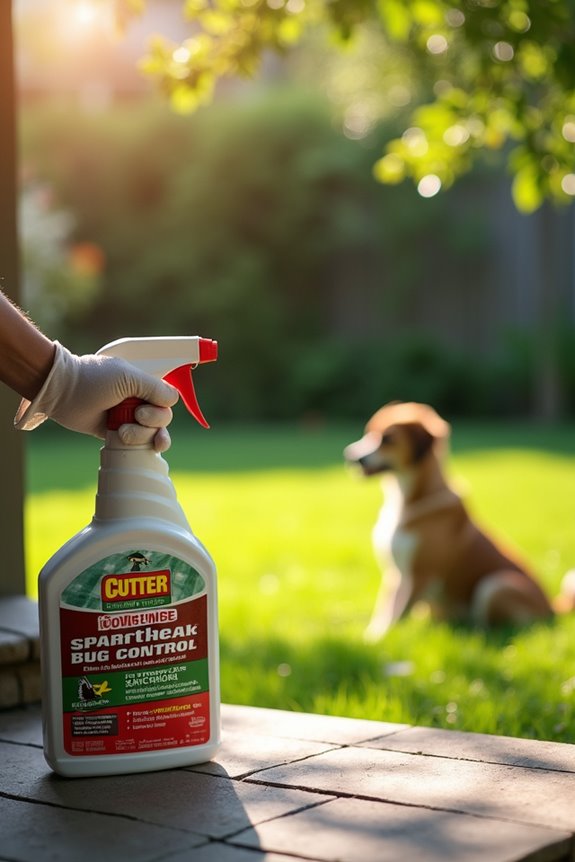
Before you spray, you’ll want to read the product label carefully—it’s your roadmap to safe application around your furry friend. Clear your dog’s space by removing toys, bedding, and water bowls from the treatment area so nothing gets contaminated. Finally, pick a time when your dog is indoors or safely supervised away from the yard, ensuring you’ve got a solid 24 hours before they can return outside.
Check Product Label Instructions
Why skip the label when it’s actually your best defense? You’re holding the manufacturer’s safety roadmap, and it’s specifically designed to protect your dog. The label reveals approved uses, restricted areas, and precautions tailored to Cutter Backyard Bug Control.
| Key Label Information | What It Means | Your Action |
|---|---|---|
| Pet re-entry time | Keep dogs off 24 hours | Mark treated zones |
| Watering restrictions | No runoff allowed | Check forecast first |
| Application conditions | Avoid rain periods | Plan dry weather |
| Protective equipment | Wear gloves and mask | Prevent contamination |
| Patch test requirement | Test small area first | Observe drying time |
You’ll discover crucial details about keeping pets away during application and drying. Don’t overlook these guidelines—they’re your pet safety foundation before you even pick up the sprayer.
Clear Your Dog’s Space
The most important step happens before you spray a single drop: removing your dog from the equation entirely. Move your furry friend indoors or to a completely supervised, untreated area where they’ll stay safe and comfortable throughout the application process.
Next, clear everything your dog uses from the yard. Remove food and water bowls, toys, and bedding to prevent contamination during spraying. This pet-safe approach protects your dog from direct contact with the treatment.
You’re creating a barrier between your dog’s space and the chemicals. By removing these items, you’re eliminating surfaces where residue could linger. Your dog won’t accidentally ingest or absorb anything harmful when they return outdoors.
This preparation takes minutes but makes a meaningful difference in keeping your pet protected.
Schedule Application Timing Wisely
When you spray matters just as much as how you spray. Timing protects your dog from unnecessary exposure and keeps everyone safer.
Plan applications strategically:
- Choose dry weather forecasts without rain predictions
- Apply during hours when your dog can stay indoors or away from treated areas
- Ensure you’re available for at least 24 hours post-application to monitor drying time
- Pick days when one caregiver can dedicate attention to paw washing and supervision
Moisture from rain prolongs drying time significantly, increasing your dog’s contact risk. You’ll want clear skies and dry conditions beforehand.
Consider your household’s rhythm. Single-dog homes have flexibility, but multiple-dog households benefit from concentrated supervision. Schedule applications when you’re home and present, not rushing between commitments.
How to Apply Cutter Spray Without Exposing Your Pet
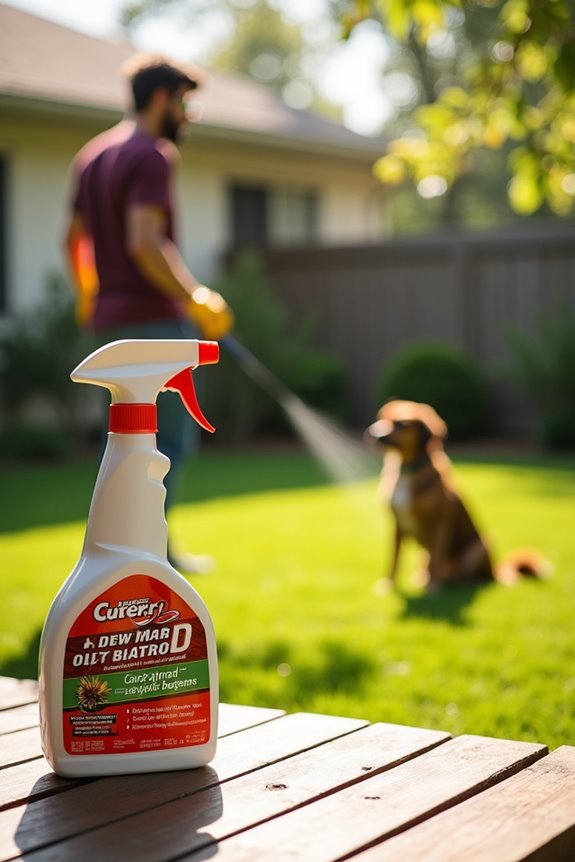
How can you protect your dog while still getting effective bug control? You’ll want to apply Cutter Backyard Bug Control with careful technique and smart precautions. Wear gloves and a mask during application. Use a steady walking pace with uniform sweeps to prevent uneven residue buildup that could contact your pets later.
| Safety Step | What to Do |
|---|---|
| Before spraying | Remove dogs from the yard entirely |
| During application | Wear protective gloves and mask |
| After spraying | Keep pets off treated area 24 hours |
| Avoid spraying | Near water bowls or toys |
| Hand care | Wash thoroughly after application |
Don’t water the treated grass until it’s completely dry. Wash your hands thoroughly afterward to minimize incidental pet exposure. You’re creating a safer outdoor space for everyone.
Keeping Your Dog Off Treated Lawns Until It’s Safe
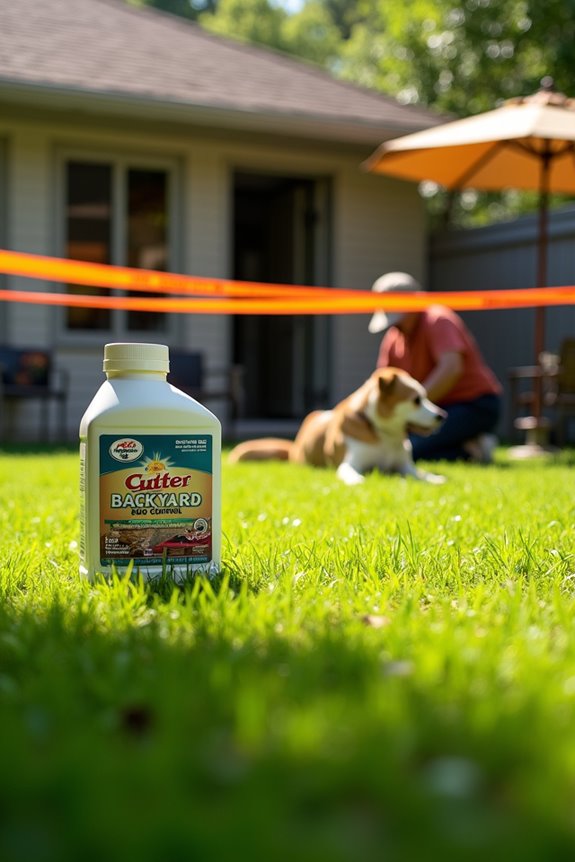
Why’d you spray your lawn if your dog can’t enjoy it right away? We get it. But pet safety during the drying time is non-negotiable. Your pup’s health depends on waiting it out.
Here’s what you need to do:
- Keep your dog indoors or in a separate area for at least 24 hours
- Check the product label for your specific formulation’s wait-time requirements
- Inspect the grass for visible spray, residue, or odor before allowing re-entry
- Wash your dog’s paws and exposed skin if contact occurred
Once everything dries completely, you’re good to go. That drying time protects your furry friend from harmful chemicals. Your patience now means safer playtime later. Trust the process—your dog’s wellbeing is worth the brief wait.
Your Dog Ate Grass After Cutter Spray: What to Do Now
So your dog nibbled treated grass—don’t panic, but do pay attention. Grass ingestion after application can cause mild stomach upset because residual pesticide remains on the blades, even after drying.
Monitor for Warning Signs
Watch your dog closely for the next 24 hours. You’re looking for vomiting, diarrhea, lethargy, shaking, drooling, or loss of appetite. These symptoms warrant immediate veterinary contact.
Take Immediate Action
Provide fresh water and keep your dog calm. Wash their paws thoroughly to remove any remaining residue. Don’t assume everything’s fine just because your pup seems normal right now.
When to Call the Vet
Contact your veterinarian immediately if any concerning signs develop. Having your dog’s information ready helps professionals respond faster. Your dog’s safety depends on prompt attention.
Watch for These Poisoning Symptoms
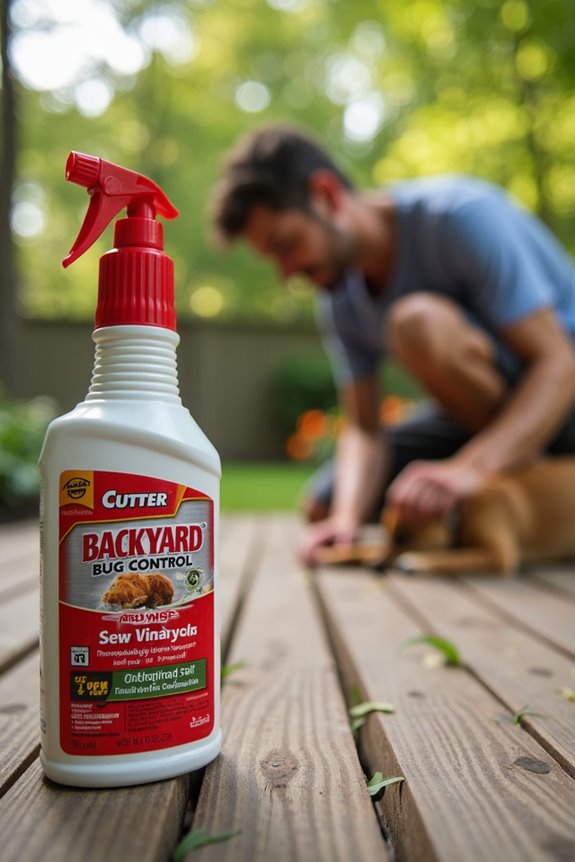
You’ll want to stay alert for three main warning signs over the next 48 hours. Keep an eye out for neurological issues like tremors, shaking, or seizures, plus gastrointestinal problems such as vomiting, diarrhea, drooling, or loss of appetite. If your dog shows any of these symptoms within 24 hours of exposure, don’t wait—contact your veterinarian right away.
Neurological Signs to Monitor
What should you actually watch for if your dog’s been exposed to Cutter Backyard Bug Control? Pyrethroids in this product can trigger serious neurological signs that demand your attention. You’ll want to catch early warning indicators before they escalate into something worse.
Watch for these specific neurological signs:
- Tremors or trembling in the legs and body
- Excessive drooling and difficulty swallowing
- Restlessness, pacing, or unusual agitation
- Staggering gait or loss of coordination
Initial symptoms like vomiting and restlessness often appear first. These early warnings shouldn’t be ignored. If tremors progress to seizures or collapse, your dog needs immediate veterinary care. Dogs with preexisting neurological conditions face higher risk and require closer monitoring after any potential exposure to pyrethroids.
Gastrointestinal Distress Indicators
Beyond the neurological effects, pyrethroid exposure often targets your dog’s digestive system first. You’ll want to watch closely for vomiting, diarrhea, and excessive drooling within 24 hours of potential contact with treated grass or residue.
Mild stomach upset can happen when dogs eat grass from treated areas, but don’t brush off persistent symptoms. If you notice vomiting or gastrointestinal upset lasting more than a few hours, contact your veterinarian right away for guidance.
Here’s what you should do: keep fresh water readily available to prevent dehydration, which worsens digestive problems. Monitor your dog for 24–48 hours after exposure. If symptoms escalate or don’t improve, seek veterinary care promptly rather than waiting it out.
When to Contact Veterinarian
When should you reach out to your vet after your dog’s been near treated grass? Don’t wait—timing matters with toxic exposure. You’ll want to call immediately if you notice:
- Vomiting, drooling, or stomach upset within 24 hours of exposure
- Lethargy, tremors, seizures, or shaking after walking on treated areas
- Loss of appetite, persistent diarrhea, or dehydration signs
- Visible skin irritation, itching, or facial swelling
Even if your dog seems fine, monitor closely for 48 hours. New symptoms can develop gradually. Any visible skin changes warrant veterinary care without delay. Your vet understands pesticide risks and can assess whether your dog needs treatment. Trust your instincts—when in doubt, contact them. You’re protecting your dog’s health.
When to Call Your Vet
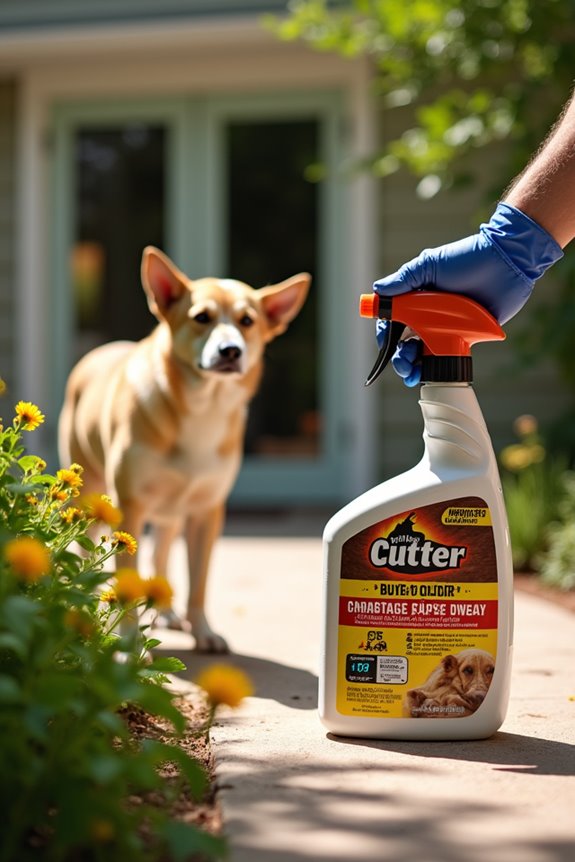
Recognizing the warning signs of pesticide exposure keeps your dog safe and healthy. You’ll want to contact your veterinarian immediately if your dog shows vomiting, diarrhea, tremors, drooling, or stops eating after exposure to Cutter Backyard Bug Control.
Don’t wait it out. Even mild symptoms within 24 hours of treated area exposure warrant a prompt call to your vet. If your dog licks or gnaws treated grass and shows any distress signs, reach out for guidance right away.
Monitor your pup for 24–48 hours after exposure. Watch for lethargy or agitation—these continued signs demand veterinary care. When you’re unsure about your dog’s safety, contact your veterinarian. They’ll provide personalized risk assessment and next steps tailored to your situation.
How to Wash Off Chemical Exposure
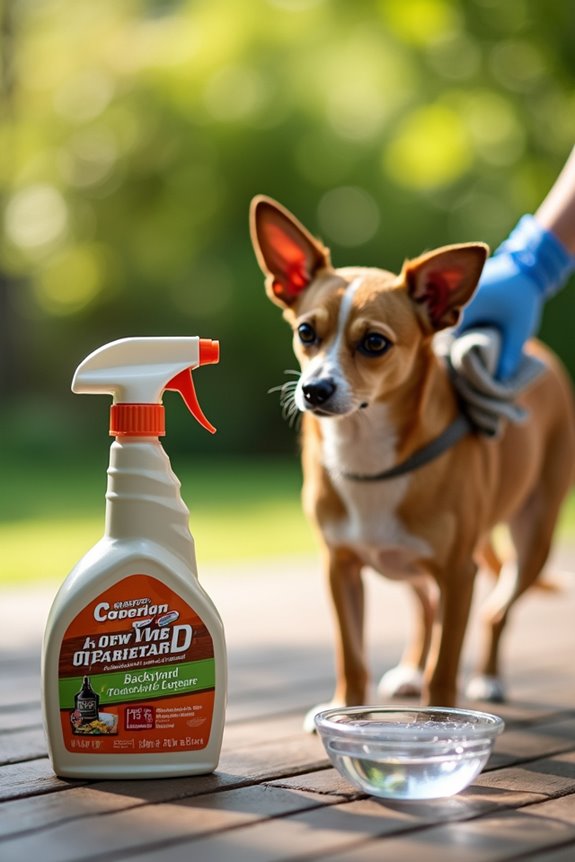
What’s the best move if your dog’s paws or fur contact treated grass? Act quickly. You’ll want to remove the chemical before your pup licks it off or it absorbs into their skin.
Here’s your paw wash game plan:
- Rinse paws and exposed skin immediately with soap and water
- Use mild, pet-safe shampoo for thorough cleaning
- Rinse completely to eliminate all detergent residue
- Wash any blankets or toys that touched treated areas
Don’t skip the post-playtime wash either. Once the grass dries, rewash your dog’s paws and legs before they come back inside. This prevents tracked chemicals from spreading throughout your home. You’re creating a protective barrier between your dog and lingering residues, keeping them safe while you enjoy your treated yard together.
Safer Alternatives to Cutter for Backyards With Dogs
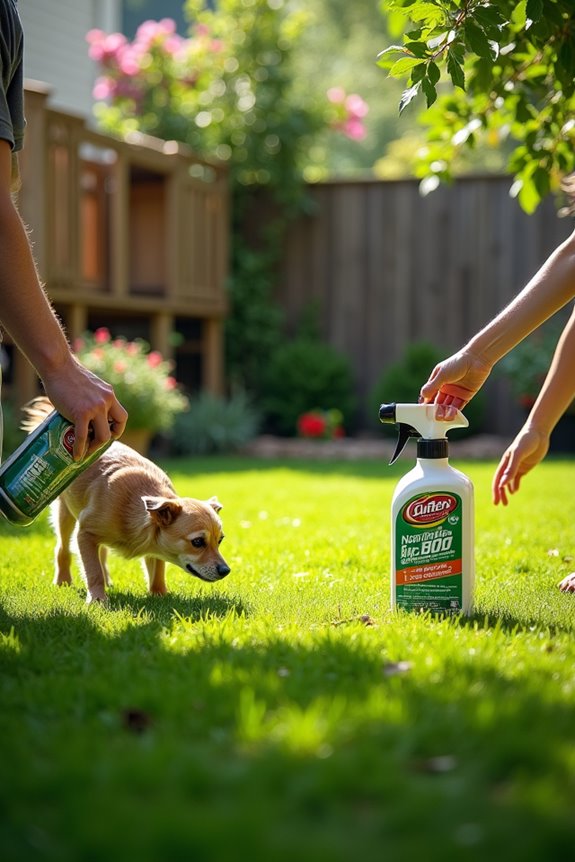
Looking to protect your yard without worrying about your dog’s safety?
Protect your yard without worrying about your dog’s safety using natural alternatives to chemical sprays.
You’ve got solid options beyond traditional chemical sprays. Cutter Essentials Bug Control Spray uses natural oils—cedar, cornmint, cinnamon, and peppermint—making it gentler than lambda-cyhalothrin products. You’ll need to reapply more frequently since plant-based formulas don’t last as long, but your dog stays safer.
Consider neem oil and plant-based repellents as alternatives, though always verify canine safety on labels first. Physical barriers like screens and netting work without chemicals. Outdoor garlic or moth sprays deter pests naturally.
Habitat modification helps too: remove standing water, trim overgrown vegetation, and eliminate debris where insects breed. You’re creating a naturally hostile environment for bugs while keeping your yard dog-friendly. Read all labels carefully for re-entry times and pet-specific approvals before applying anything.
Safe Seasonal Spraying Schedules
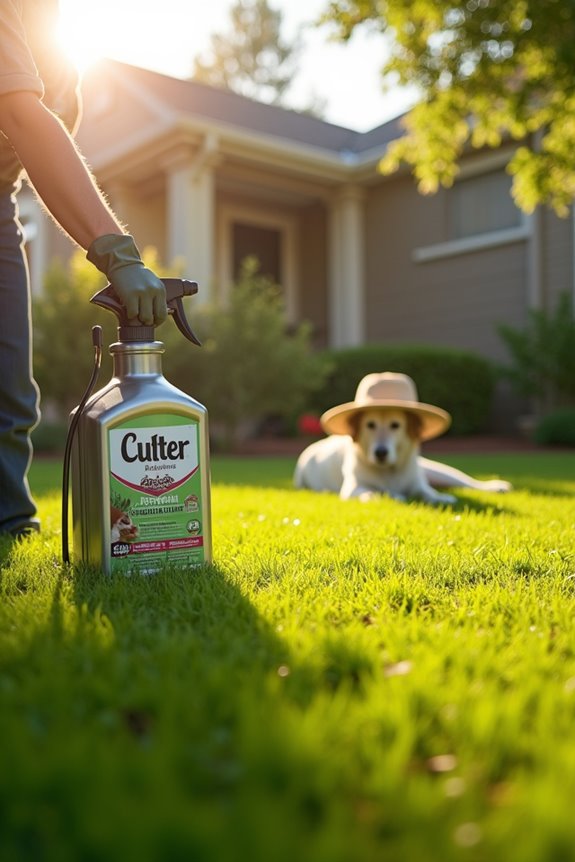
While safer alternatives give you peace of mind, you’ll still need a smart plan if you choose to use Cutter Backyard Bug Control.
Smart backyard spray timing protects your dog throughout the year. Space applications across the season to minimize your pet’s repeated exposure to chemicals. This approach keeps your furry friend safer while still controlling pests.
Create a seasonal schedule that works for you:
- Apply only during dry weather when rain won’t wash away the product
- Never spray when dogs are outdoors or nearby
- Wait 24 hours before letting pets return to treated areas
- Space applications weeks apart rather than spraying weekly
Between applications, integrate non-chemical controls like mosquito repellents and physical barriers. This strategy reduces your reliance on chemical sprays while maintaining pet safety and effective pest management throughout spring, summer, and fall.
Creating a Dog-Friendly Outdoor Space While Controlling Pests
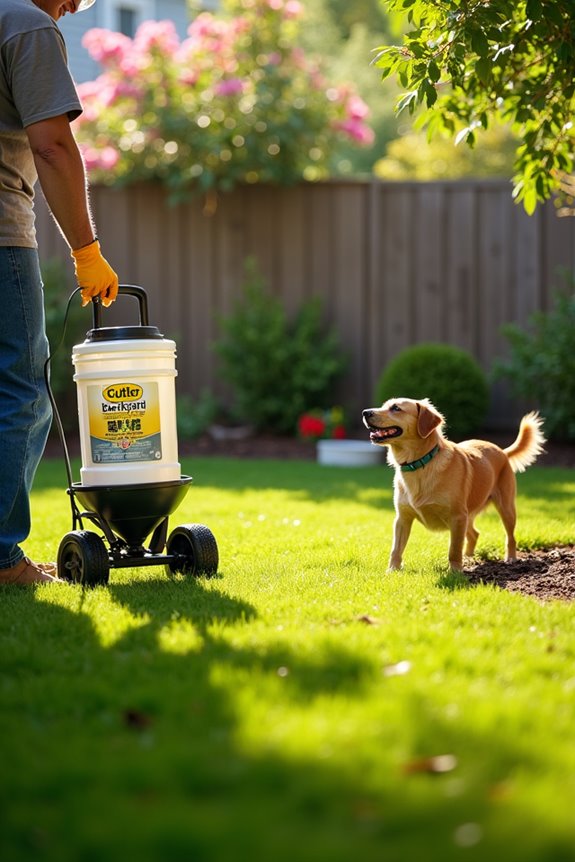
You can maintain a safe outdoor haven for your dog and still manage pesky insects—it just takes thoughtful planning and the right combination of strategies. Integrate non-chemical pest control methods alongside Cutter Backyard Bug Control for comprehensive pets safety. Choose dog-safe mulch, maintain regular mowing schedules, and select plants that naturally repel insects without toxicity concerns.
When you do apply backyard bug control products, create designated pet zones away from treated areas. Keep water bowls, bedding, and food stations in untreated sections of your yard. This thoughtful separation ensures your dog enjoys outdoor time while chemical applications work effectively elsewhere.
After spraying, wash your dog’s paws with mild soap and water before re-entry. Monitor for any unusual symptoms during outdoor play sessions, staying vigilant about their wellbeing throughout the season.