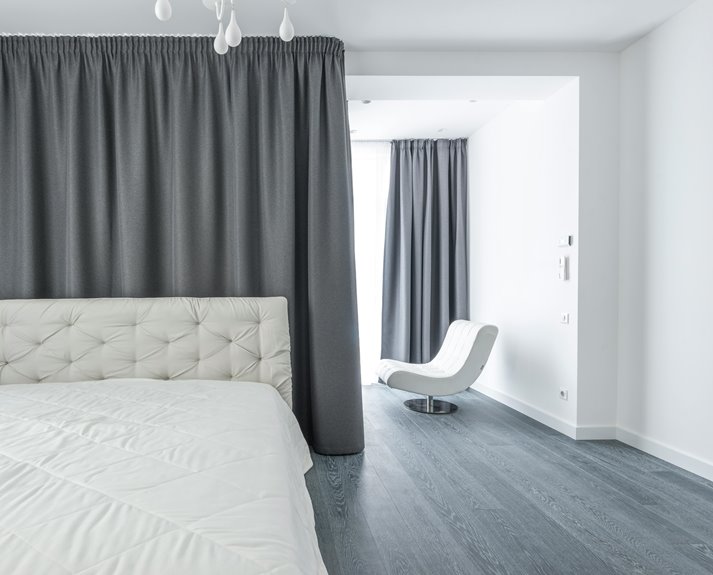
Your bedroom’s your favorite relaxation spot because it’s where your brain finally stops processing constant social input and shifts into recovery mode. After hours of handling conversations, expressions, and demands, you need that quiet sanctuary to recharge mental energy and stabilize dopamine levels. A clutter-free space with calming blues or greens, soft textures, and natural light signals your nervous system to downshift from vigilance to restoration. Even thirty minutes alone daily rebuilds focus and emotional resilience—making solitude essential maintenance, not selfishness. The right bedroom setup transforms this space into genuine refuge.
Why Solitude Rebuilds Your Mental Energy
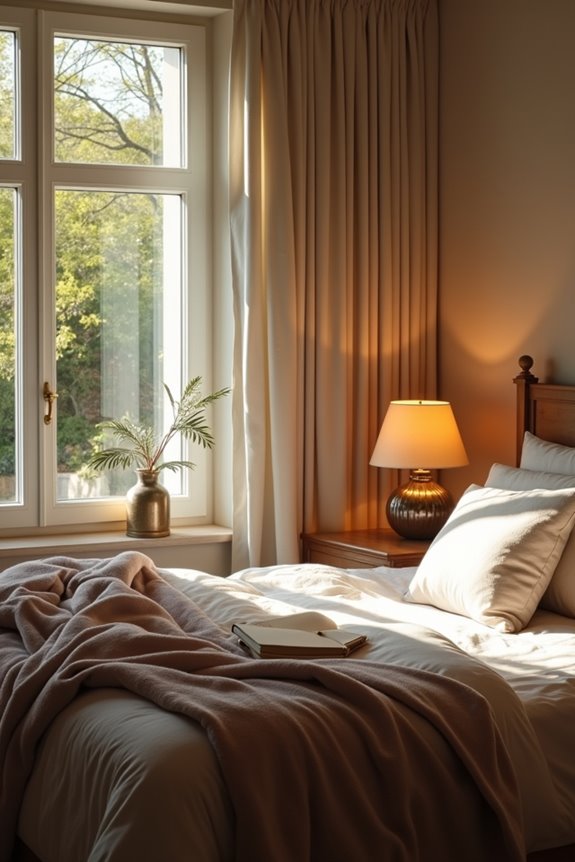
When you’re constantly surrounded by people, demands, and noise, your mental battery drains faster than you’d expect. Your brain processes endless stimulation, leaving you exhausted and irritable by day’s end.
Solitude offers you something essential: a chance to recharge. When you retreat to your bedroom for relaxation, you’re not being antisocial. You’re actually protecting your mental health. This quiet space lets your mind rest from constant input and overstimulation.
Introverts especially need this downtime to function well. Without regular solitude, you’ll experience what’s called “introvert hangover”—mental fog, irritability, and emotional exhaustion that lingers for days.
Your bedroom becomes your personal sanctuary where relaxation happens naturally. Here, you can finally think clearly, process your day, and restore the energy you’ll need for tomorrow’s interactions.
How Your Brain Needs Alone Time to Recharge
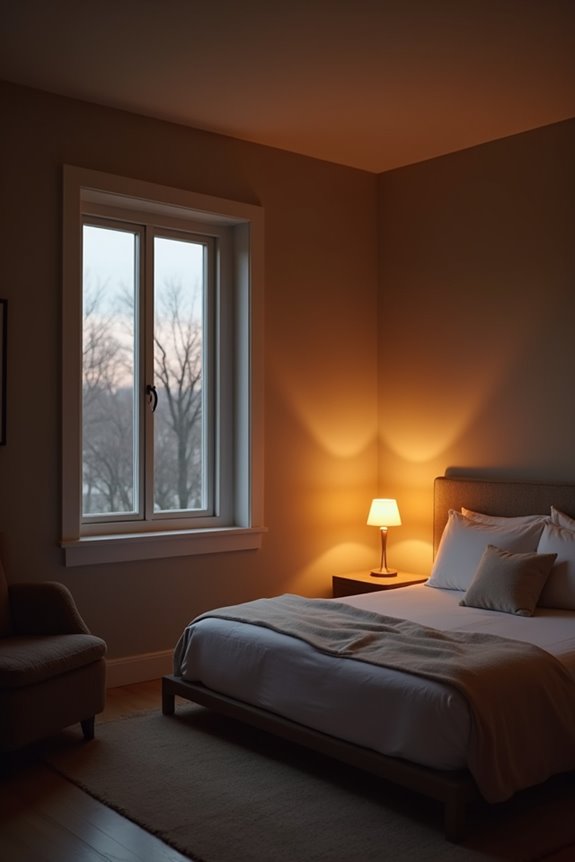
Your brain’s recharge process goes deeper than just feeling tired. When you spend hours in social situations, your mind works overtime processing conversations, reading facial expressions, and managing interactions. You’re constantly outputting energy.
Your private space—especially your bedroom—becomes essential for restoration. Alone time in this personal refuge lets your brain shift into recovery mode. Your thoughts slow down. Mental fatigue decreases notably.
Without adequate solitude, you experience what feels like an introvert hangover: irritability, reduced focus, emotional depletion. Your brain literally needs disconnection to function at its best.
When you retreat to your bedroom for even 30 minutes daily, you’re not avoiding people. You’re investing in your mental health. You’re allowing neural pathways to reset, emotions to stabilize, and energy reserves to refill completely.
This isn’t selfish. It’s necessary maintenance.
Why Your Bedroom Becomes a Refuge From Overstimulation
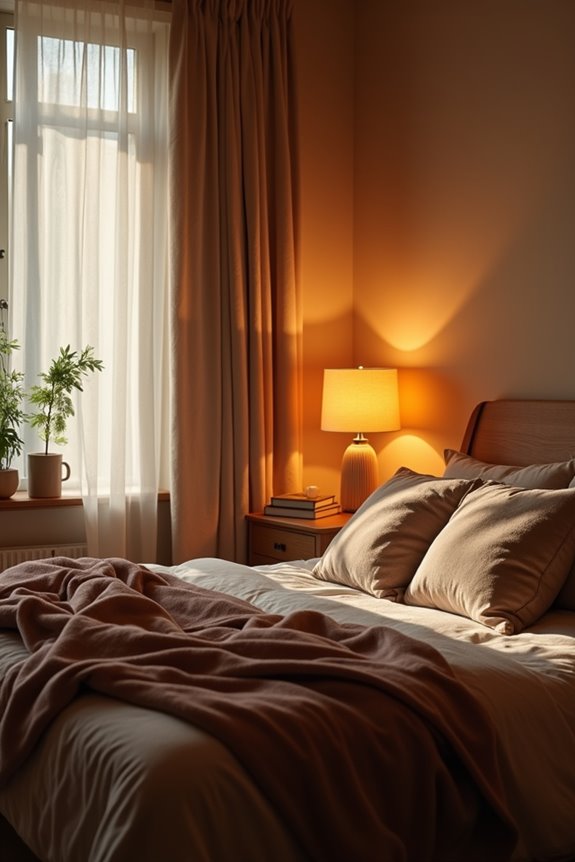
Your brain’s dopamine system—the chemical messenger that responds to stimulation—actually needs regular breaks to function well. When you’re constantly exposed to noise, conversations, screens, and demands, your dopamine receptors become overwhelmed and tired, much like muscles after a workout. Your bedroom offers the quiet reset your nervous system craves, allowing dopamine levels to stabilize and your mental energy to restore for whatever comes next.
Dopamine Regulation and Rest
Why does your bedroom feel like such a sanctuary after a long day of socializing?
Your brain’s dopamine system gets overwhelmed by constant social demands. When you’re around people, your mind works overtime monitoring conversations, reading expressions, and managing impressions. This mental effort floods your dopamine pathways with stimulation.
Your private space offers a reset button. In your bedroom, you stop performing and simply exist. This shift allows your overstimulated dopamine receptors to normalize gradually.
Natural light filtering through your window, paired with minimal clutter, creates an environment where your brain genuinely rests. Soft textures and calming colors—think soft blues or neutral tones—support this restoration process.
The quiet, undemanding atmosphere lets your nervous system downshift from constant vigilance into genuine recovery mode.
Solitude Restores Mental Energy
Beyond dopamine regulation, something equally powerful happens when you close your bedroom door: your mind gets permission to stop working.
You’re constantly processing conversations, responding to demands, and managing social energy throughout your day. That mental effort depletes you. Your bedroom becomes your sanctuary—a space where solitude lets you actually recover.
When you spend time alone in this calm environment, your nervous system downshifts. You process emotions, organize thoughts, and rebuild the mental reserves you’ve spent. This isn’t laziness; it’s essential maintenance.
Without this solitude and relaxation time, you risk overwhelm, irritability, and what some call an “introvert hangover.” Your bedroom prevents that burnout by offering genuine rest.
That personal space isn’t selfish. It’s how you maintain the energy to show up authentically for others tomorrow.
How to Communicate Bedroom Boundaries Without Hurting Relationships
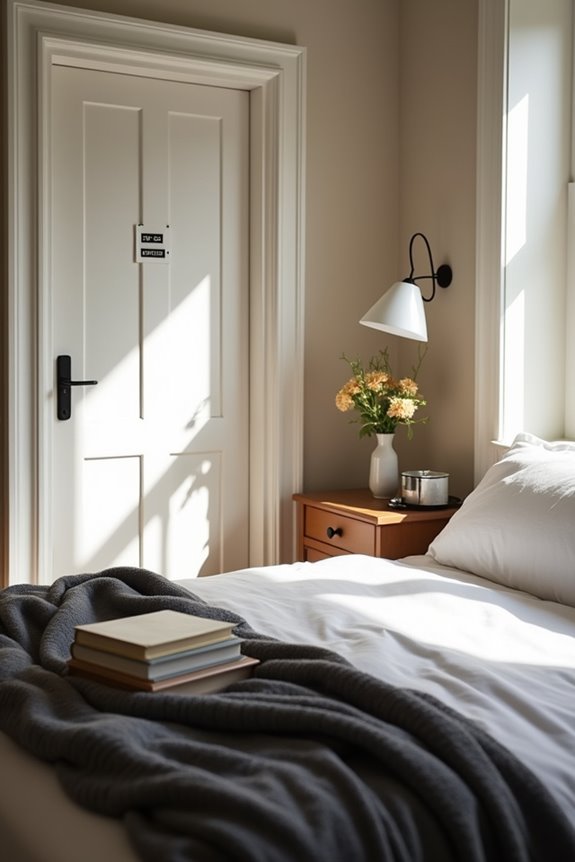
How do you tell the people you live with that you need alone time without making them feel rejected?
Start by explaining what solitude actually means to you. Frame your bedroom retreat as self-care, not withdrawal. Say something like: “I need quiet time to recharge my mind and process my day.”
Establish clear boundaries using specific door rules. Try: “I’m available for conversation before 7 p.m., but after that, I need uninterrupted time.” This clarity prevents misinterpretation.
Offer reassurance through verbal check-ins. Let household members know you value them while protecting your restoration time. Balance matters here.
Create a simple signal system—a closed door means you’re decompressing, not avoiding them. This staged approach maintains connection while preserving the mental energy solitude restores.
Choose Bedroom Colors That Soothe Your Senses
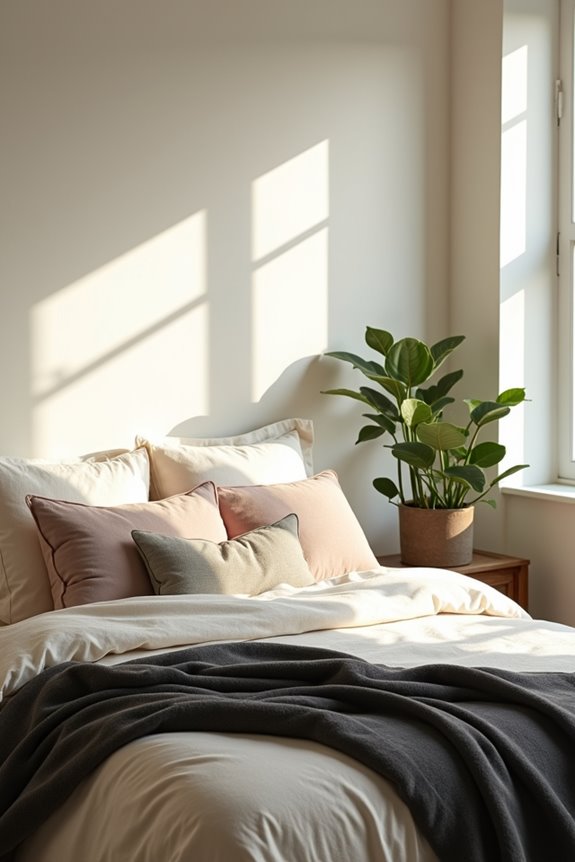
What color wraps around you when you step into your bedroom—and does it calm you down or wind you up? The walls surrounding you matter more than you might think. Blue evokes calm and serenity by representing sea or sky, making it perfect for your sleep space. Green connects you to tranquility and renewal, supporting the soothing atmosphere you crave. Light gray or white conveys peace and spaciousness, helping your room feel larger and less cluttered. Beige or cream creates warmth and comfort ideal for relaxation.
Avoid overly stimulating colors like red, bright yellow, or orange as main walls. These energize rather than soothe. Consider them as accents instead. Your color choices directly shape how relaxed you feel, so choose wisely.
Declutter Your Bedroom for Mental Clarity
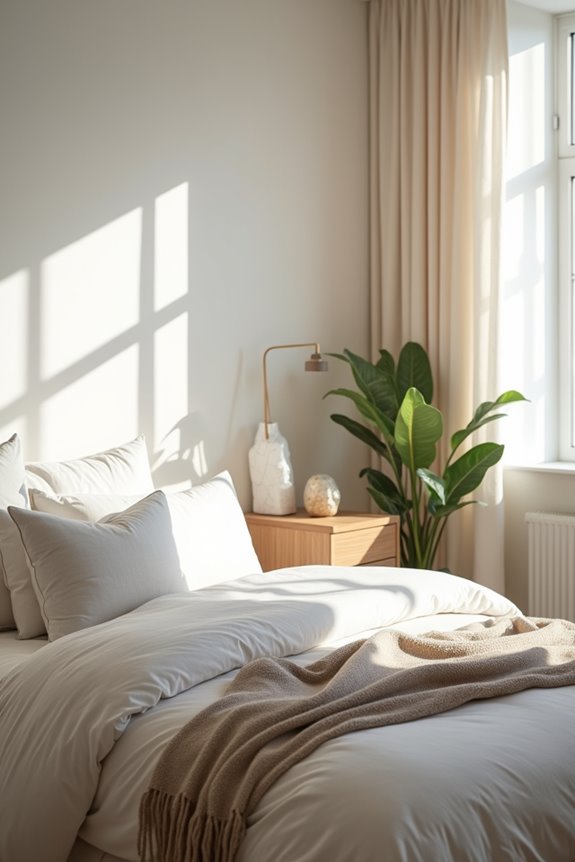
Your bedroom’s clutter piles up—and so does your stress. When clothes scatter across your floor and items crowd your dresser, your mental health suffers. You’ll feel anxious, distracted, and restless instead of calm.
Bedroom clutter accumulates stress—scattered clothes and crowded surfaces trigger anxiety, distraction, and restlessness instead of calm.
Start Small and Stay Focused
Begin with one area—your closet or dresser. Use a simple system: keep, donate, recycle, trash. This approach prevents overwhelming yourself while building momentum.
Organize by Function
Designate storage spots for frequently cluttered zones. Store seasonal items in labeled bins. Place daily essentials within arm’s reach. When everything has a home, you’ll maintain your space effortlessly.
A decluttered bedroom transforms your sleep quality and mood. You’ll experience genuine relaxation, clearer thinking, and deeper rest—the sanctuary you deserve.
Brighten Your Bedroom With Natural Light and Plants
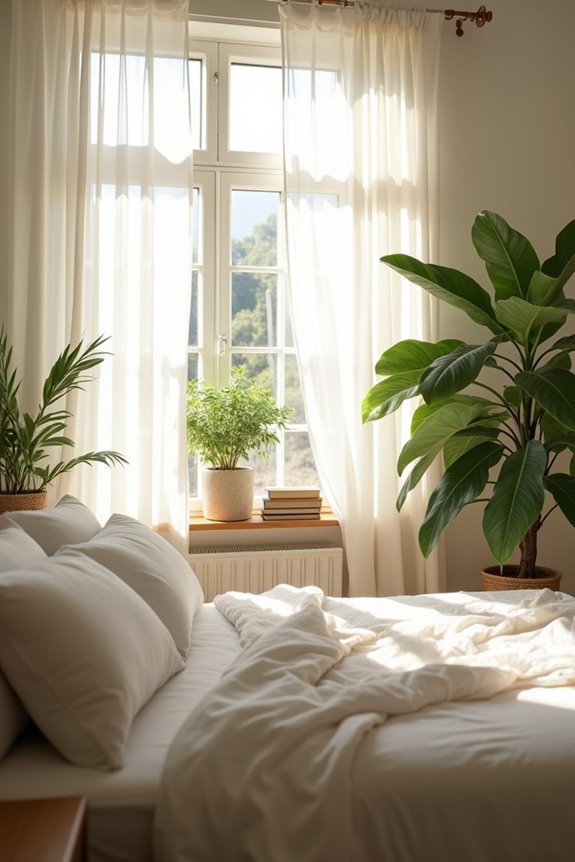
Ever notice how a sunny room feels completely different from a dark one? That’s because natural light does more than just brighten your space—it actually boosts your mood and programs your sleep-wake cycle.
Keep your curtains or blinds open during the day. This simple habit supports your circadian rhythms and keeps your energy levels steady.
Now add plants to the mix. They’re not just beautiful; they reduce stress and freshen your air. Position them where light moves throughout the day so they’ll thrive alongside you.
When you combine natural light with greenery, something special happens. Your bedroom transforms into a calm, nature-inspired retreat that promotes better sleep and genuine relaxation. You’ve created your personal sanctuary.
Create a Relaxation Corner in Your Bedroom
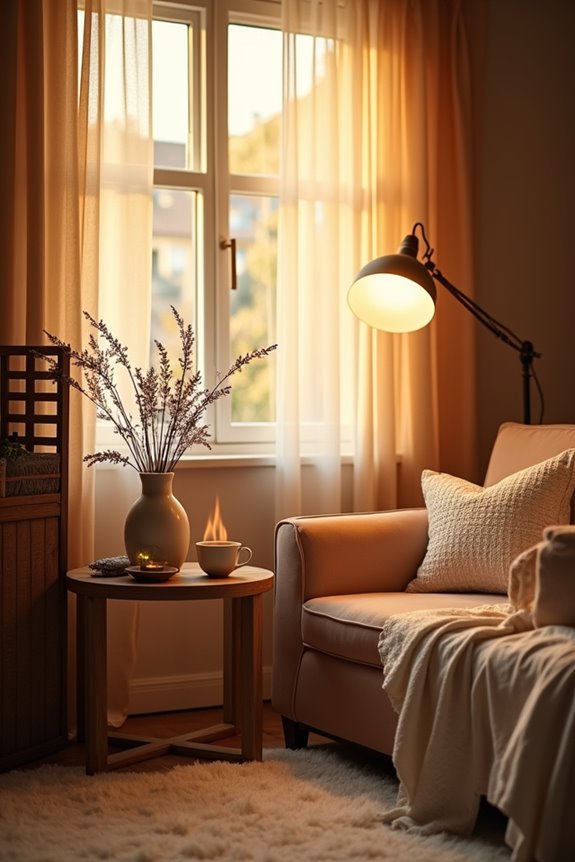
You can transform a small bedroom area into your personal retreat by setting up a dedicated relaxation corner. This space—whether it’s a 4-by-4-foot nook near a window or a cozy spot in the corner—gives you a distraction-free zone for mindfulness practices, reading, or quiet reflection. The right elements and thoughtful setup make all the difference in turning this corner into a sanctuary you’ll actually use every day.
Dedicated Space For Mindfulness
Why not carve out a small corner of your bedroom that’s dedicated entirely to peace and mental reset?
You’ll transform a simple area into your personal sanctuary. Position a comfortable chair, meditation cushion, or soft rug in a quiet spot—even a 3-by-4 foot corner works beautifully. This relaxation space becomes your refuge for mindfulness practices, reading, or gentle yoga.
Paint your walls in calming blues or soft greens. Layer plush textures like blankets and pillows around your seating. These sensory details signal to your brain that this area means business—the business of slowing down.
When you establish this dedicated zone, you’re creating consistency. Your mind learns to shift into peaceful mode the moment you enter it. You’ll build a sustainable routine, knowing your mental reset awaits you right there in your room.
Essential Elements And Setup
A relaxation corner thrives on three foundational components: the right location, comfortable seating, and a clutter-free environment. You’ll want to position your corner away from your bed and workspace, signaling a clear mental shift when you enter it.
Comfort First
Choose seating that supports your body for 20-30 minutes. A chair, cushion, or small bench works well. Layer soft textures—think plush throw blankets and padded cushions—to enhance comfort.
The Calming Palette
Paint walls in calming colors like soft blues, warm grays, or muted greens. These hues naturally lower stress and invite relaxation.
Keep It Clean
Remove distractions entirely. No phones, work materials, or clutter. This dedicated space becomes your sanctuary where unwinding feels intentional and complete.
Keep Your Bedroom Tech-Free for Better Sleep
How often do you reach for your phone right before bed? That habit might be sabotaging your relaxation. When you keep electronics out of your bedroom, you’re actually protecting your sleep quality in meaningful ways.
Devices emit blue light that tricks your brain into thinking it’s still daytime. Your notifications constantly interrupt rest, pulling your attention away from relaxation. Without screens nearby, you’ll resist the urge to scroll endlessly, which often leads to stress and anxiety.
Creating a tech-free zone transforms your bedroom into a genuine sanctuary. You’ll find it easier to transition from wakefulness to sleep. Your mind settles faster when it’s not overstimulated by digital content.
The result? Deeper, more restorative sleep that leaves you feeling genuinely refreshed each morning.
Transform Your Bedroom Into a Retreat
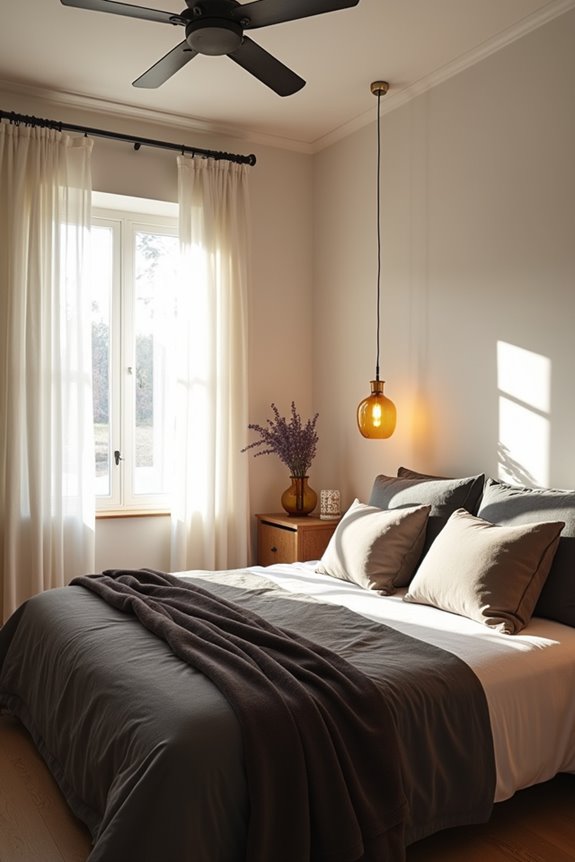
What separates a bedroom from a true sanctuary? Intention and design choices you deliberately make.
A true sanctuary begins with intention—the deliberate design choices that transform an ordinary bedroom into a restorative personal haven.
Start by choosing calming colors—soft blues, warm grays, or gentle greens—that signal your nervous system to relax. Incorporate natural materials like wood furniture, linen bedding, and cork flooring to ground yourself in nature’s comfort.
Create distinct zones within your space. Position a small reading chair near a window for daylight, add a meditation corner with cushions, and install blackout curtains for darkness control.
Stock your room with personal supplies: journals, herbal tea, favorite books. Avoid work at your desk to prevent negative associations with your bed.
These practical steps transform your bedroom from merely functional into genuinely restorative—a personal haven where you truly belong.