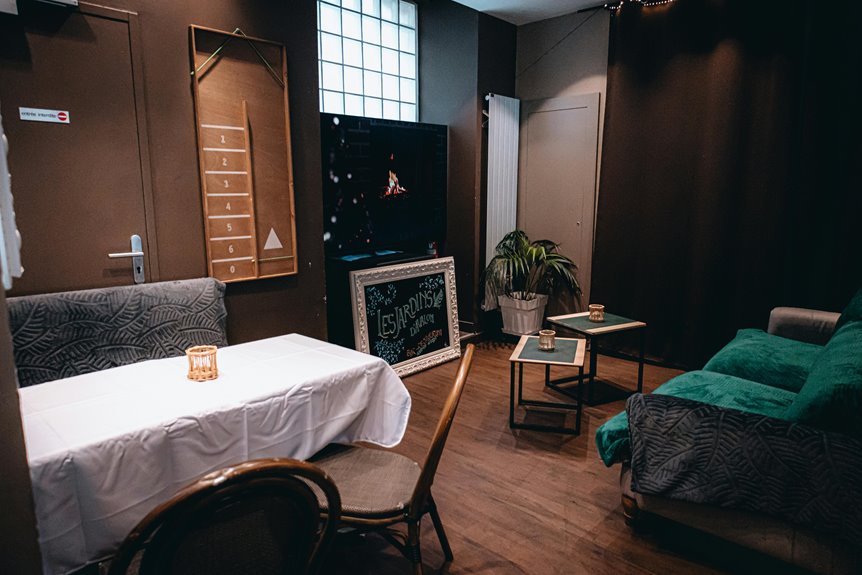
Your living room got its name from a deliberate cultural reset. Before the 1920s, Americans called it a “parlor”—a formal reception room where guests were impressed, not where families actually lived. But post-WWI influenza transformed parlors into death rooms, so the public rejected the term entirely. Edward Bok’s *Ladies’ Home Journal* championed “living room” as modern, comfortable, and genuinely lived-in. The shift reflected Americans’ hunger for authentic, multipurpose spaces over stuffy formality. Want to discover how this naming revolution spread globally?
Before It Was Called a Living Room: The Parlor Era
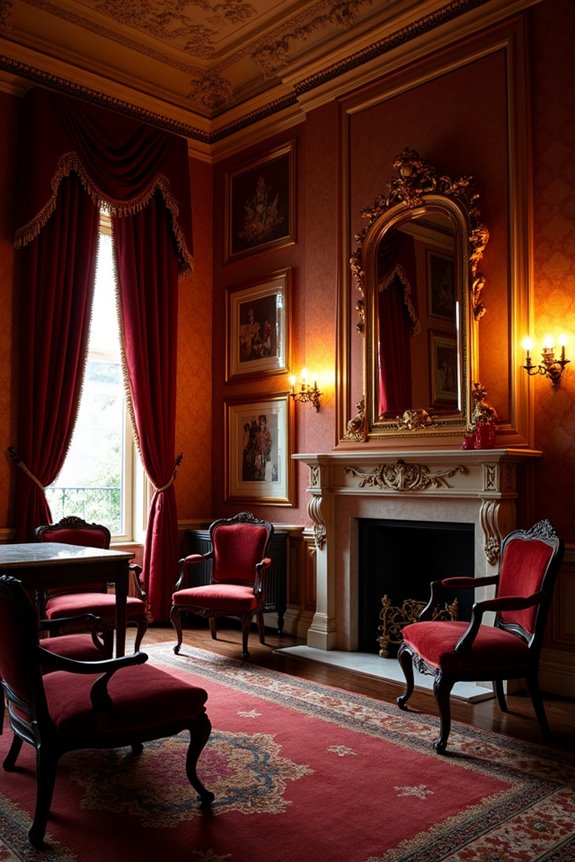
A room’s purpose shapes its name, and the parlor was no exception. You’d recognize it as the formal receiving room where guests experienced your finest possessions and conversation skills. The term itself comes from Old French *parler*, meaning to speak—a fitting origin for a space dedicated entirely to talking with visitors.
Your parlor occupied prime real estate near the main entrance, acting as a buffer between public and private family spaces. It wasn’t for lounging; it was for impressing. With opulent furnishings and deliberate social display, you’d transform this room into a showcase of wealth and refinement.
The drawing room evolved similarly, withdrawing guests from everyday areas into curated elegance. These spaces eventually gave way to today’s living room—far more casual, far more yours.
Why “Living Room” Replaced “Parlor” and “Death Room”
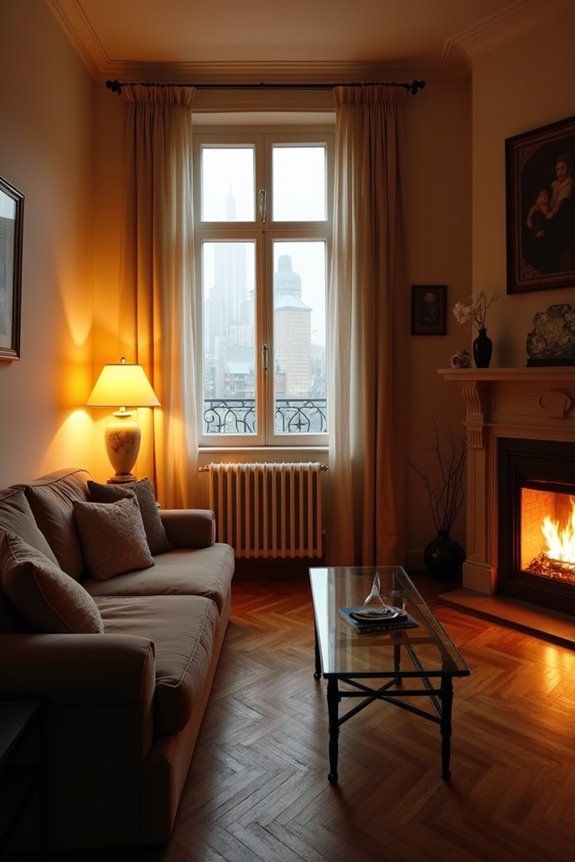
You’d be surprised how much the end of World War I changed what Americans called their front rooms. After the influenza pandemic and the war’s devastation, families stopped using parlors as formal “death rooms” for the ill and dying, and instead reclaimed these spaces for everyday joy—reading, playing games, and gathering without rigid etiquette. Publications like *Ladies’ Home Journal* pushed this cultural shift hard, convincing you and your neighbors that a room’s true purpose wasn’t displaying formality but embracing comfortable, active living.
Post-War Terminology Shift
Why’d the parlor suddenly vanish from American homes? After World War I, you wanted to forget the influenza outbreaks that’d transformed your parlor into a death room. Families’d kept bodies there during those dark years, and the association stuck uncomfortably.
You craved change. The Ladies’ Home Journal championed reclaiming these spaces for actual living—socializing, relaxing, laughing. This wasn’t just redecorating; it was psychological rebirth. The parlor to living room transition reflected your generation’s rejection of death-focused domestic spaces.
Public discourse shifted rapidly. Home-design literature reinforced this terminology change, emphasizing the social function of rooms meant for connection, not mourning. By the 1920s, calling it a “living room” felt natural, necessary even. You weren’t just renaming furniture anymore; you were reclaiming joy itself.
Reclaiming Spaces For Living
How did a room designed for mourning become the heart of family fun? After World War I, you witnessed a dramatic transformation. Rooms once called “death rooms” during influenza outbreaks were repurposed into vibrant living spaces. This shift fundamentally changed how families used their front parlor.
The front parlor had been formal, somber, and rarely used for daily life. Publications like the Ladies’ Home Journal encouraged you to reclaim these spaces. They promoted lively, everyday social use instead of display and ritual. Your living room became a place for genuine connection, entertainment, and family gathering.
This repurposing reflected broader modernization in home life. The terminology evolved deliberately: “death room” and “parlor” gave way to “living room.” The new name signaled something essential—a space genuinely inhabited and alive with your family’s daily activities.
How Edward Bok Made “Living Room” the Name That Stuck
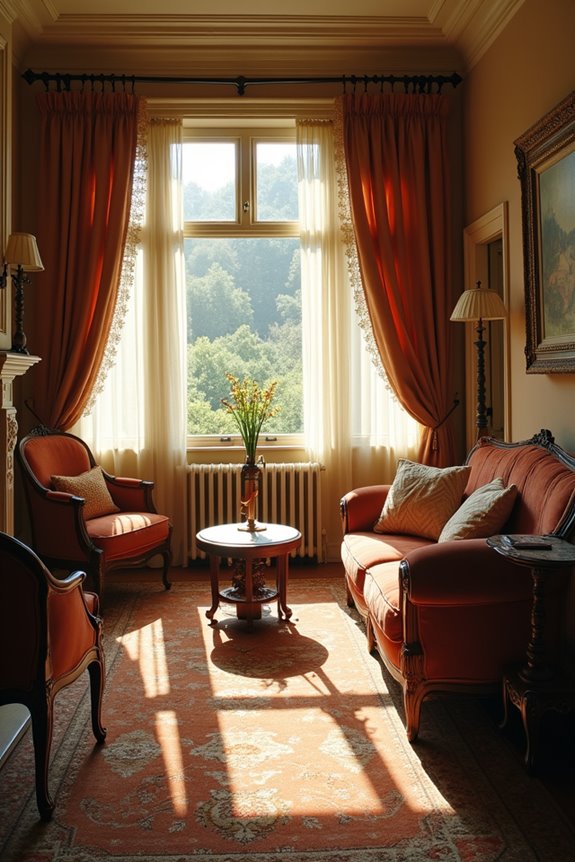
You’d be surprised how one man’s persistence through a popular magazine could reshape how millions talked about their homes. Edward Bok didn’t just mention “living room” once or twice in the Ladies’ Home Journal; he hammered the term repeatedly, week after week, positioning it as the modern, practical choice for everyday families. By controlling the language in America’s most-read women’s publication during the 1890s, Bok essentially rewired how you and your neighbors thought about that central space in your house.
Reframing Domestic Space Culture
What Bok really did was flip the entire cultural conversation from formal entertaining to actual daily living. He linked “living room” directly to comfort, affordability, and real family moments instead of stiff ceremonial gatherings, and that connection stuck in people’s minds hard. Your great-grandparents adopted this fresh terminology because Bok’s campaign made it feel modern, accessible, and honest about how households genuinely functioned.
Bok’s Magazine Campaign Strategy
When did a simple two-word phrase reshape how Americans thought about their homes? Edward Bok did it through the Ladies’ Home Journal during the 1890s. He recognized that women readers wanted practical spaces, not just formal parlors. Bok’s campaign strategy targeted this audience directly, promoting “living room” as the modern, affordable alternative to stuffy drawing rooms. He framed the concept around everyday family life and informal gatherings. Through consistent messaging in his influential magazine, Bok normalized the terminology shift across American households. His approach wasn’t about luxury or display—it was about comfort and belonging. This campaign coincided with broader cultural changes favoring functional spaces over pretentious formality. By making the living room accessible and relatable, Bok helped establish a naming convention that would dominate American home design for generations.
Reframing Domestic Space Culture
Edward Bok’s magazine campaign didn’t just introduce a catchy name—it fundamentally changed how Americans imagined home life. Through Ladies’ Home Journal, you encountered a radical idea: your home wasn’t primarily for impressing guests. Instead, it was for living.
Before Bok’s influence, the drawing room dominated American homes. These formal spaces demanded rigid etiquette and pristine furniture. You couldn’t relax there. Bok challenged this constraint, positioning the living room as practical and welcoming.
After World War I, his vision gained momentum. The term “living room” replaced outdated language in decorating literature and marketing materials. You saw it everywhere—in design guides, advertisements, catalogs. Domestic space culture shifted fundamentally. Americans began valuing comfort and everyday interaction over formal display. Bok’s reframing made belonging at home possible.
Why “Living Room” Fit Better Than “Parlor” for Modern Life
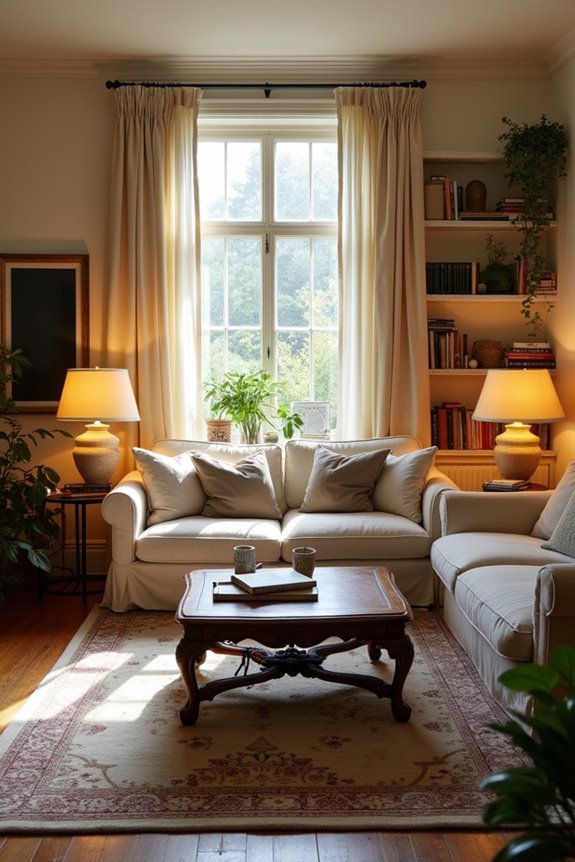
Why did people stop calling their main gathering space a “parlor”? You’d recognize the shift once you understand what those old terms actually meant. Parlors emphasized formal display and status—they weren’t for everyday use. The living room, by contrast, embraced social space designed for actual living. After World War I, influenza outbreaks made people reconsider spaces associated with death and illness. The parlor’s grim historical origins faded as families craved cheerier environments. “Living room” captured something new: versatility, comfort, and daily activity rolled into one. You weren’t performing for guests anymore; you were genuinely relaxing, conversing, and entertaining naturally. This terminology reflected deeper cultural shifts toward practical, family-friendly spaces that matched modern life’s heterogeneous demands and aspirations.
What Other Cultures Call the Living Room (and Why)
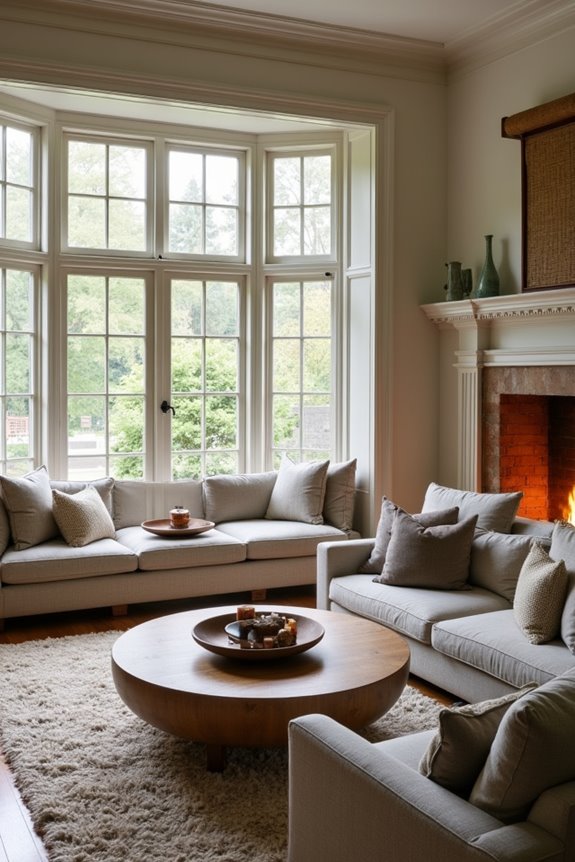
How do you name a room that’s meant for living?
Different cultures answer this question differently. In Britain, you’d call it a lounge or sitting room, emphasizing comfort over formality. The older drawing room and parlour? Those served formal guest reception—quite different purposes entirely.
In Britain, the lounge prioritizes comfort over formality, unlike the drawing room’s original purpose of formal guest reception.
Japan’s washitsu reflects this shift too. Rather than formal entertaining spaces, washitsu prioritizes everyday family life with tatami mats and shoji screens, embodying minimalism. Meanwhile, Latin American regions use sala or sala de estar, terms emphasizing practicality and comfort.
These living room terminology choices reveal something important: cultures worldwide abandoned strict formality for versatile, everyday spaces. You’re seeing a global pattern where rooms became about genuine living, not performing status. That’s what modern domestic life actually demands.
Why We Still Call It the Living Room
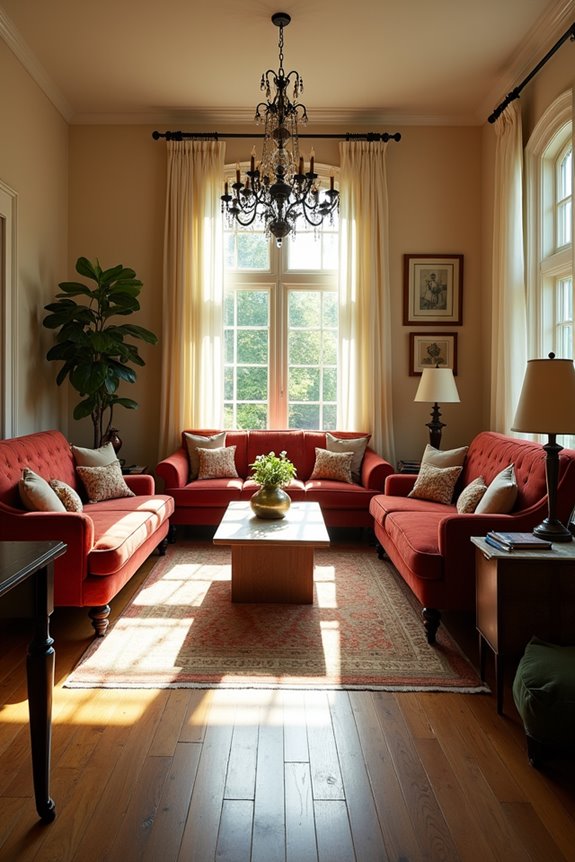
The term “living room” stuck around for good reason—it named something genuinely new. You recognize it immediately because it captures the space’s true purpose: a place for actual living, not just formal display.
| Old Term | New Purpose |
|---|---|
| Parlor | Death room during epidemics |
| Drawing room | Guest entertainment only |
| Living room | Daily family activities |
| Living room | Socializing and comfort |
| Living room | Multipurpose flexibility |
Unlike the parlor or drawing room, your living room signals approachability. It’s honest about its evolution from somber to welcoming. The name itself reflects the shift toward relaxed, multipurpose interiors that accommodate both entertaining and family life. You choose this space because it promises authenticity—a room designed for genuine living, not pretense.